The Dimming
Gods do not die. They are forgotten, which is slower and worse. When the last hearth fires of the old faiths burned low, the thunderers and the sun-bearers, the tricksters and the judges of the dead, all felt the same cold creep into their halls: the cold of a name no mortal speaks any more.
The Bargain
So the pantheons met where no pantheon rules, in the dark between the worlds, and struck a bargain older than any of them. One contest. One night that lasts as long as it must. Whichever faith stands last on the board is remembered for another age, and the others wait their turn and sharpen their myths.
The Arenas
For the contest each pantheon tore a piece from its own realm and set it afloat in the Between: a forest clearing where the bonfires of Kupala still burn, a fjord locked in ice, a marble temple above a wine-dark sea, a sun temple whose gates face the dawn. The islands drift through the night sky, and on them the heroes fight.
The Champions
The gods cannot fight themselves. A god on the board would end the night in a single blow and prove nothing. Instead each pantheon chooses a mortal champion, a player, and lends them echoes of its heroes: a bogatyr, a valkyrie, a hoplite, a medjay. Three echoes of the same hero, held together, become one truer and far more dangerous form.
Favor, Ambrosia and Relics
A pantheon rewards the champion who fights under its banner with Favor, and Favor buys the gods' deeper gifts: talents, blessings, the hidden aspects of a hero. Ambrosia, the gold of the gods, opens the gates of other pantheons and the other arenas. And between rounds the gods wager their treasures, the relics, on the champion they believe in.
The Beasts Between
Not everything in the Between belongs to a pantheon. Wolves and boars that no myth claims roam the drifting islands and test every champion early. The gods watch how a player meets them, and it is said that the night's first wager is decided there.
The pantheons
The Wheel of Seasons
“What winter takes, spring returns. Nothing in the forest stays dead.”
The Slavic gods never built a heaven far from their people. They lived in the oak, the river, the stove behind which the Domovoi sleeps, and in the circle of the year that Morana ends and Dazhbog begins again. Perun's thunder and Veles's dark are two halves of the same wheel, and their heroes carry it onto the board: a Slav who falls does not stay fallen but rises as a spirit of mist and moonlight to finish the fight. The Cycle of Morana is not a trick. It is simply how their world has always worked.
The Slavic heroes ›
The Long Night
“Fear not the end. Fear arriving at it unready.”
The Norse have always known how their story ends: with wolves, with fire, with the world tree shaking. They did not despair of it. They trained for it. Every heartbeat of a fight is one step closer to Ragnarök and every Norse hero, from the humblest Einherjar to Odin himself, grows harder and hungrier as it nears. A short fight is theirs to lose. A long one belongs to Asgard.
The Norse heroes ›
The Hunger for Glory
“Let them sing of this. Let them sing of nothing else.”
Olympus never cared for a quiet victory. Its heroes were made for the eyes of others: Achilles chose a short life and an endless song, and Athena's owl watches every deed to judge whether it is worth remembering. On the board each enemy that falls is a verse added to the song, and Greek heroes feed on it, growing stronger and whole with every kill. Glory snowballs. So does the fight.
The Greek heroes ›
The Turning Sun
“Ra crosses the sky by day and the underworld by night, and neither crossing is ever lost.”
Of all the pantheons the Egyptians were the most patient, because their gods were the most certain. The sun sets; the sun rises. Osiris is cut apart; Isis gathers him. On the board their heroes bring the whole sky with them: by day they strike with the speed and heat of Ra's barque, and when night falls over the island they wrap themselves in shields of starlight until the next dawn. The enemy who times the day wins. The enemy who ignores it is already in the Hall of Judgement.
The Egyptian heroes ›Arenas
Pieces of each realm, torn loose and set adrift in the Between.
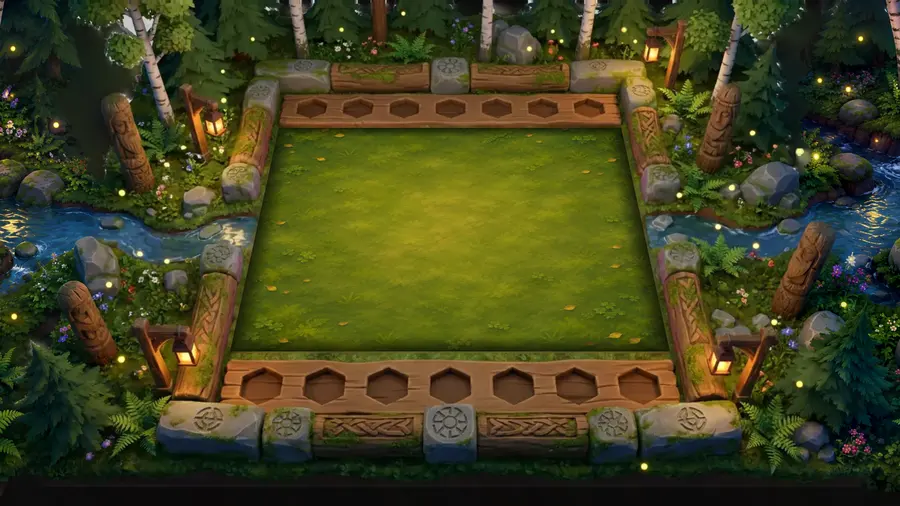
Forest Clearing
A clearing in the deep birch and pine of the old country, a village's smoke on the far side and a carved idol of Perun watching from the edge. This is the Slavs' hearth-ground, the piece of their world they would not fight without.
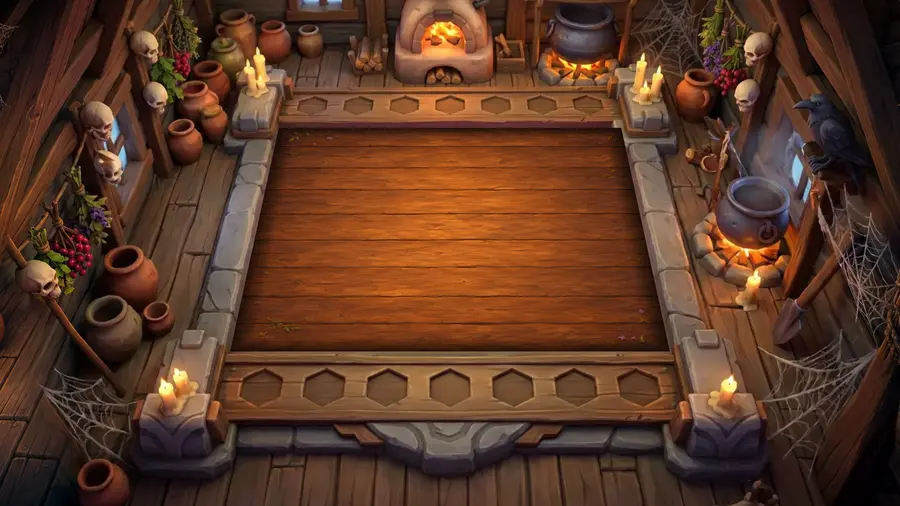
Baba Yaga's Hut
The witch lent her own yard to the contest, fence of bones and all. The hut turns to follow the fight, the skulls on the posts light up at dusk, and nothing that falls here is ever quite certain it was not eaten.
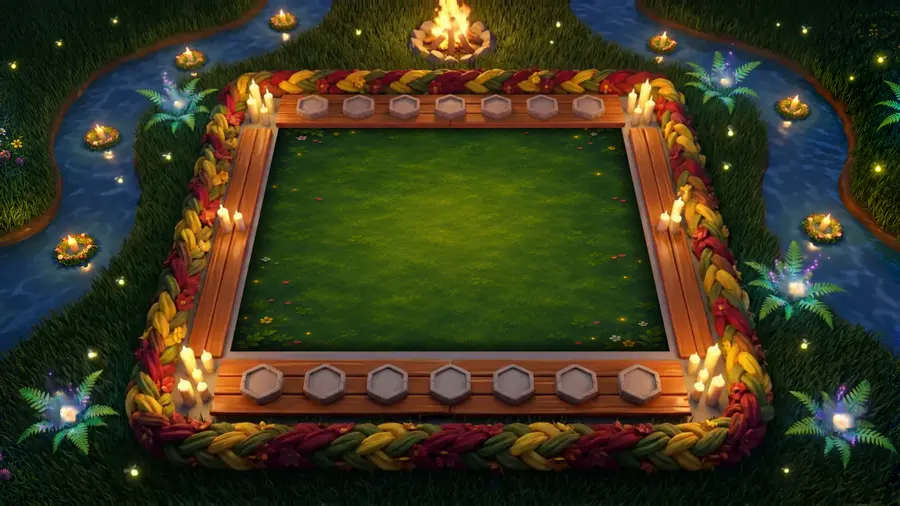
Kupala Night
The shortest night of the year, when the villages light bonfires by the river, young people leap the flames and the fern is said to flower once, at midnight, for whoever is brave enough to look. The Slavs fight here when they want to remember what the summer was for.
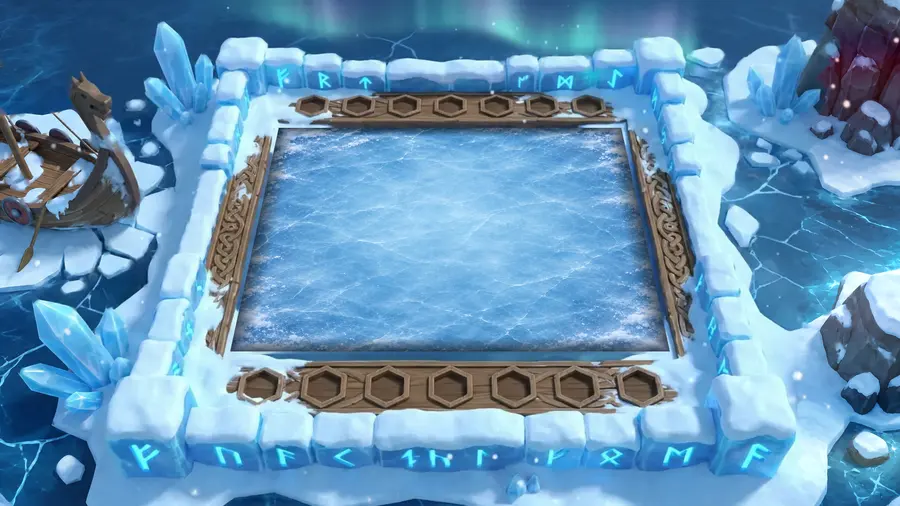
Frozen Fjord
A fjord in the far north locked under ice so old it is blue, a longship caught in it mid-oar, and the aurora turning overhead. The Norse chose it because nothing here has ever given up, not even the water.
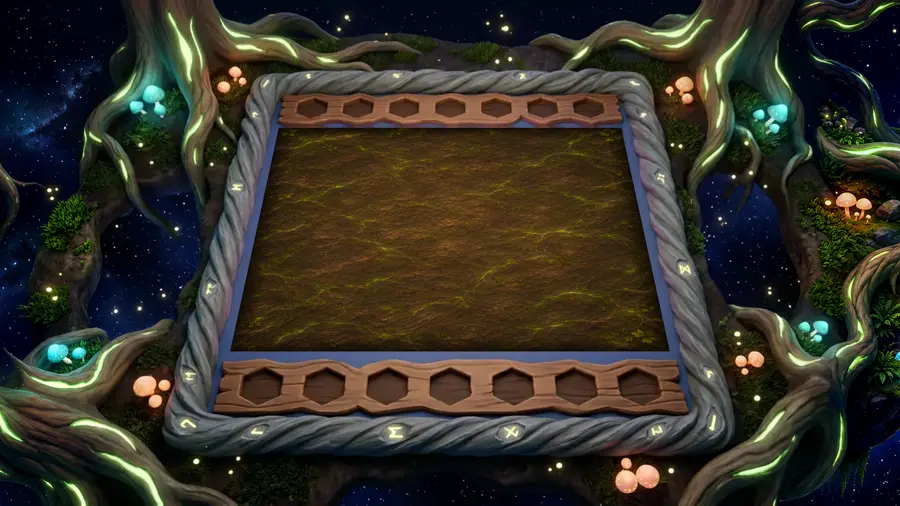
Yggdrasil Roots
Among the roots of the world tree, where the Norns water the ash from the well of fate and the dragon Níðhöggr gnaws at it from below. Everything that happens here has already been carved somewhere into the bark.
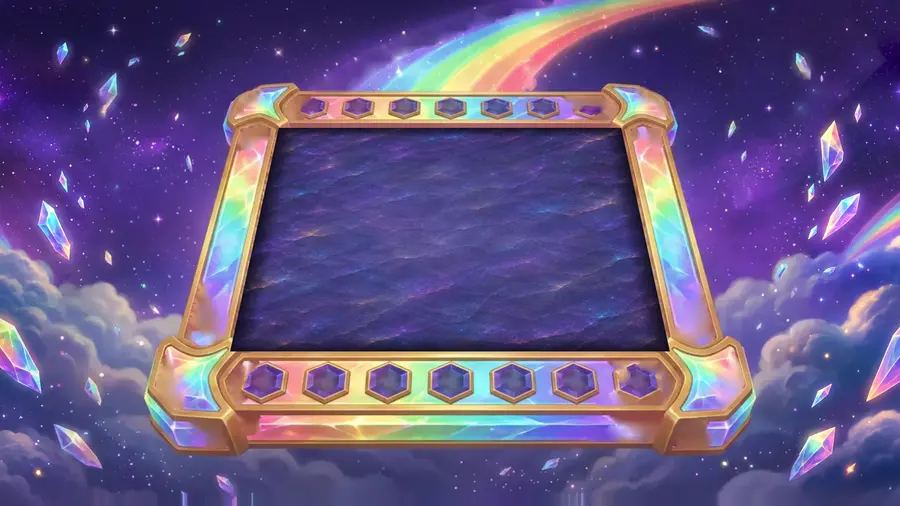
Bifrost
The rainbow bridge between Midgard and Asgard, burning red at its heart so that frost giants cannot cross it. Heimdall allowed the contest a single span of it. He is watching every step.
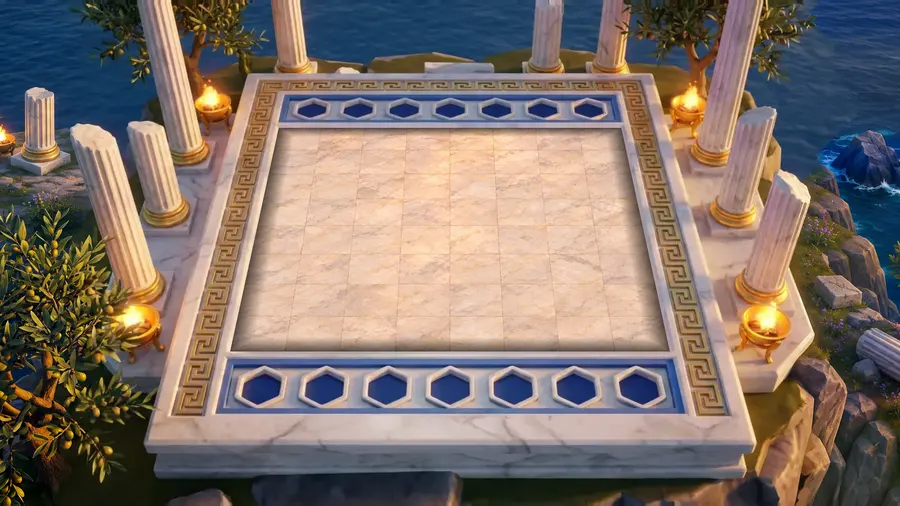
Temple Cliff
A marble temple on a headland above the wine-dark sea, white columns, an olive tree bent by the wind and the islands fading into haze. The Greeks fight where they always did their best thinking: in the open, within sight of the gods.
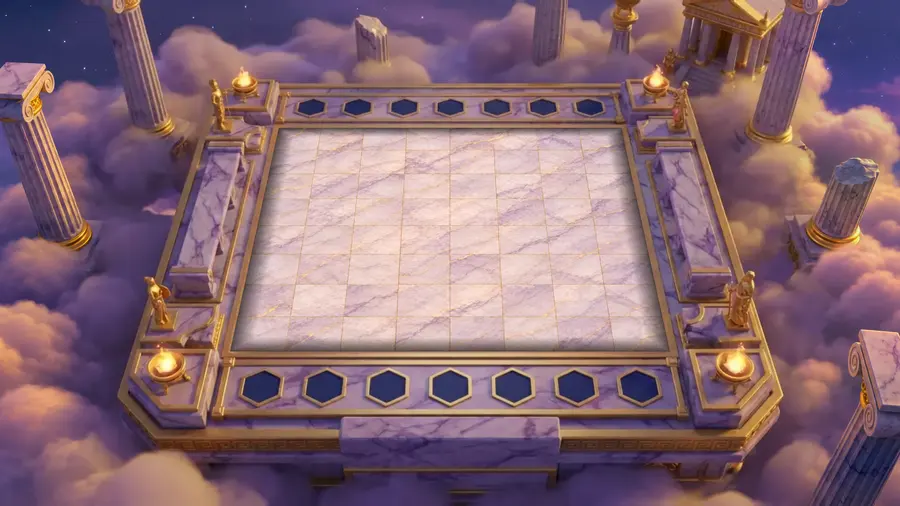
Olympus at Dusk
The summit of Olympus above the clouds as the sun goes down, the gods' halls catching the last light and the first stars coming out over the thrones. Here the champions fight with the whole court watching, which is exactly how the Greeks like it.
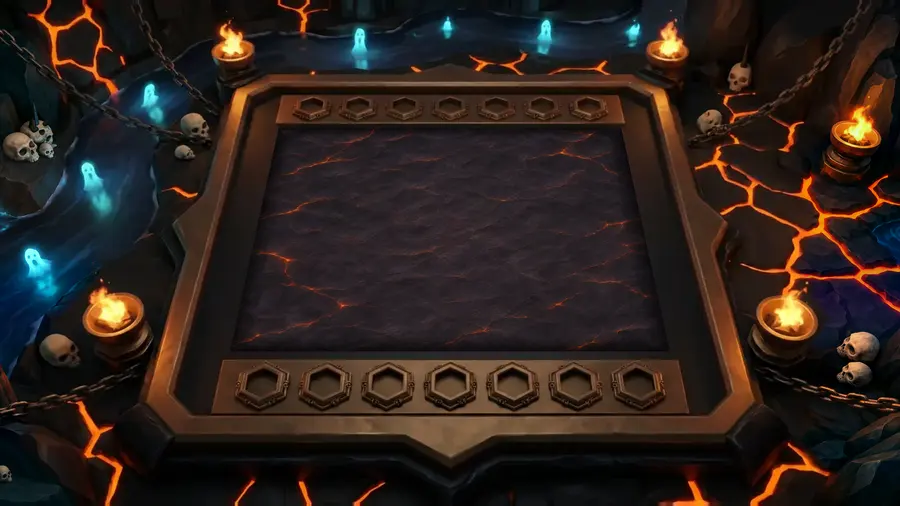
Underworld
The far bank of the Styx: black water, the ferryman's lantern somewhere in the dark, the hound's three heads breathing beyond the gate. Hades lent the ground on one condition: that whatever falls here is counted twice.
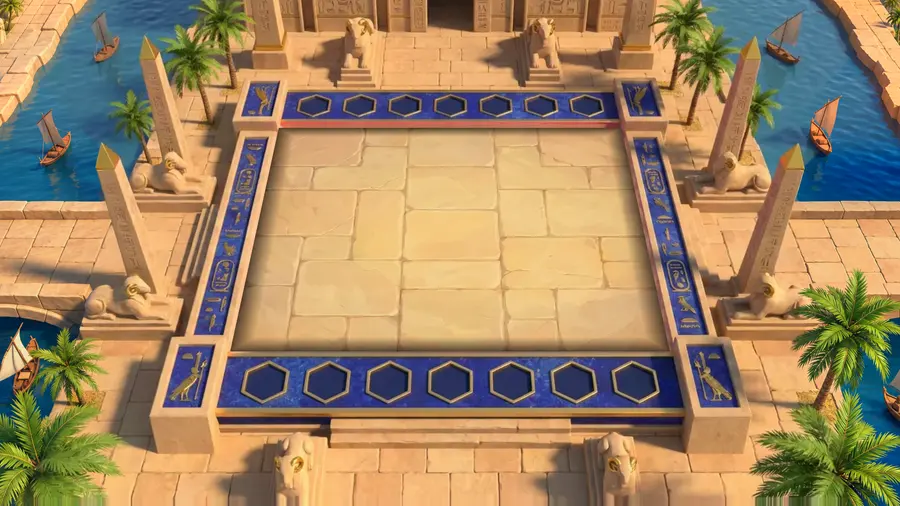
Temple of the Sun
A temple whose great pylon gates face the dawn, obelisks throwing long shadows across the sand and the Nile glittering behind. The Egyptians chose the one place on earth where the sun has never once been late.
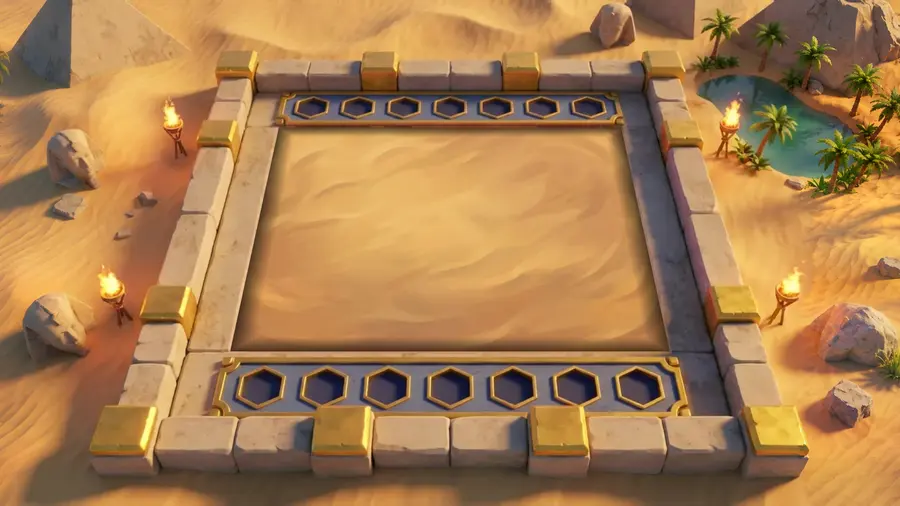
Pyramids at Dusk
The three pyramids and the Sphinx at the hour when the desert turns to copper and the first stars show above the plateau. Four thousand years of pharaohs are buried under the board. They are, by all reports, listening.
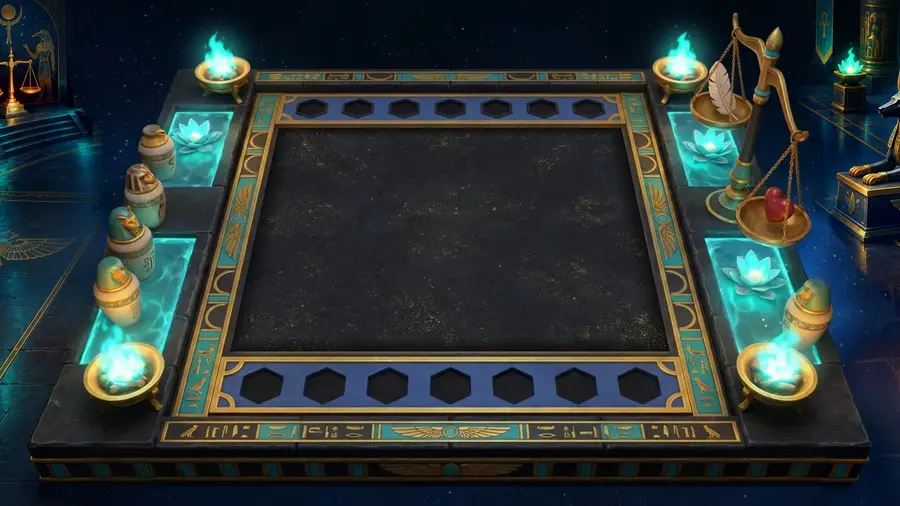
Hall of Judgement
The hall where Anubis sets the heart on the scale, Thoth writes down the verdict and Ammit waits under the balance for the ones that weigh too much. Fight here and your every deed is recorded. Lose here and it is read back.
Relics
The treasures the gods wager between rounds on the champion they believe in.
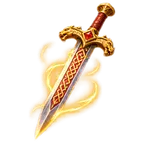
Kladenets
The self-swinging sword of the Slavic tales, found under a stone or in a giant's head, that fights of its own will once drawn. Whoever carries it finds their arm faster and their blow heavier, and is not entirely sure the choice was theirs.
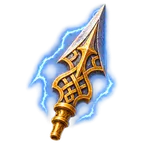
Tip of Gungnir
A splinter of Odin's spear, which never misses what it is thrown at, carved with the oath that makes it so. Only a splinter, but it remembers the whole spear, and anything it touches finds the wound deeper than it should be.
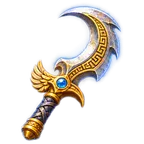
Harpe
The curved sickle-sword with which Cronus unmade his father and Perseus took the head of Medusa. It was built for one purpose, the ending of things that should by rights be unendable, and it is still extremely good at it.
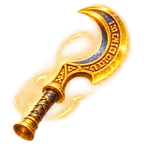
Khopesh
The sickle-sword of the pharaohs' guard, bent forward so the blade bites on the pull as well as the push. The kings were painted holding one over their kneeling enemies. It was made to take, and whatever it takes from a foe it hands back to the arm that swung it.
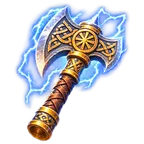
Axe of Perun
The axe of the thunderer, thrown at the serpent that hides in trees and under stones, and always coming back to the hand. Smiths hammered little axes of it for people to wear against lightning. This one does not turn lightning aside. It calls it.
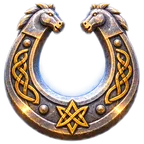
Sleipnir's Shoe
One shoe of Odin's eight-legged horse, which can gallop over sea and air and down the road to Hel and back. The wearer does not grow extra legs. They merely find that the ground gets out of their way.
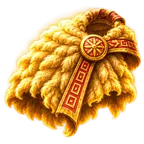
Golden Fleece
The hide of the flying ram that carried two children out of danger and was nailed to an oak in Colchis under a sleepless dragon until Jason came for it. It still has the ram's stubborn life in it, and it will not let its wearer stop breathing.
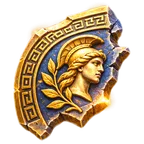
Aegis Fragment
A piece of the goat-skin shield of Zeus, lent to Athena, with the Gorgon's face fixed on it. Even a fragment turns the first blow of any fight aside out of sheer habit.
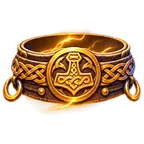
Megingjörð
Thor's belt of strength, which doubles the might of its wearer when it is pulled tight. He wore it to the hall of the giant Geirrod and to the fishing of the Midgard Serpent. It fits anyone. It only likes the ones who stand in the front.
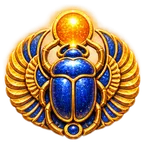
Scarab Amulet
The dung beetle that rolls the sun across the sky each morning, carved in green stone and laid over the heart of the dead so the heart would not speak against them at the weighing. It knows the road out of the underworld. It has walked it once already.
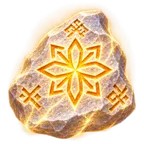
Alatyr Stone
The white stone at the centre of the world, on the island of Buyan, from under which all rivers run. Every Slavic charm ends by naming it, because nothing said over the Alatyr can be undone. Its holder stands a little nearer that centre, and the blows land softer.
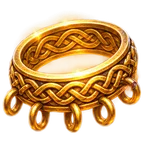
Draupnir
Odin's gold ring, forged by dwarves, which drips eight more rings of its own weight every ninth night. The gods laid it on Baldr's pyre. The holder finds their own power swelling the same way, a little more each time they reach for it.
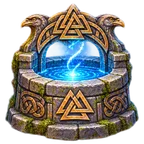
Mímir's Well
The spring under the root of Yggdrasil where the wise head of Mímir keeps watch. Odin gave an eye for one drink from it. A cup carried away still fills on its own, slowly, with thoughts that were not there a moment ago.
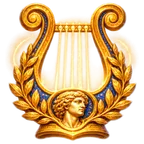
Lyre of Orpheus
The lyre Apollo gave Orpheus, whose playing moved stones and talked the lord of the dead into letting a soul go. In battle its rhythm gets into the holder's hands: every blow keeps time, and every beat brings the next spell closer.
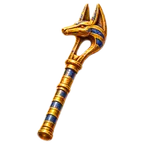
Was Scepter
The forked staff with the head of the Set-animal that every god of Egypt is painted holding, the sign of power itself. The gods did not lean on it. They pointed it. What they pointed it at tended to stop existing.
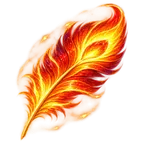
Firebird Feather
A feather of the bird that lights a whole garden by itself, dropped on the night a tsar's golden apples went missing. Carry it in your sleeve and the room is lit. Carry it into battle and everything you touch remembers what fire is for.
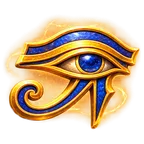
Eye of Horus
The eye the falcon god lost fighting Set for the throne, mended by Thoth and offered to Osiris to make him whole. The Egyptians drew it on everything that needed protecting. It gives back what was taken. That is what it is for.
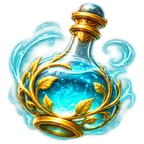
Living Water
In the Slavic tales a slain hero is mended with dead water, which closes the wounds, and then woken with living water, which starts the heart. The flask holds the second kind. It is only ever needed once.
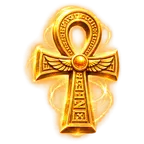
Ankh
The looped cross the gods hold to the noses of kings, the breath of life itself in the shape of a key. In the tomb paintings it is always being given. Whoever carries it finds that their healing hands heal more, and the shields they raise hold longer.
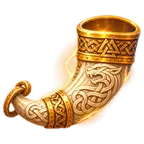
Gjallarhorn
Heimdall's horn, which he will blow once at the end of the world and be heard in all the nine realms. Until then it has been blown only in practice. Even in practice, everyone who hears it reaches for a weapon a little quicker.
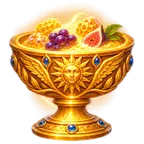
Ambrosia
The food of the gods on Olympus, with nectar to wash it down, which keeps the immortals immortal. Mortals who ate it were made gods, and mortals who stole it were made examples. A mouthful goes a long way, and the body remembers it.
 Be there at launch
One email when Battle of Myths reaches the App Store and Google Play. Nothing else.
On Android? Join the Android beta and play now. We use your email only for this, see privacy.